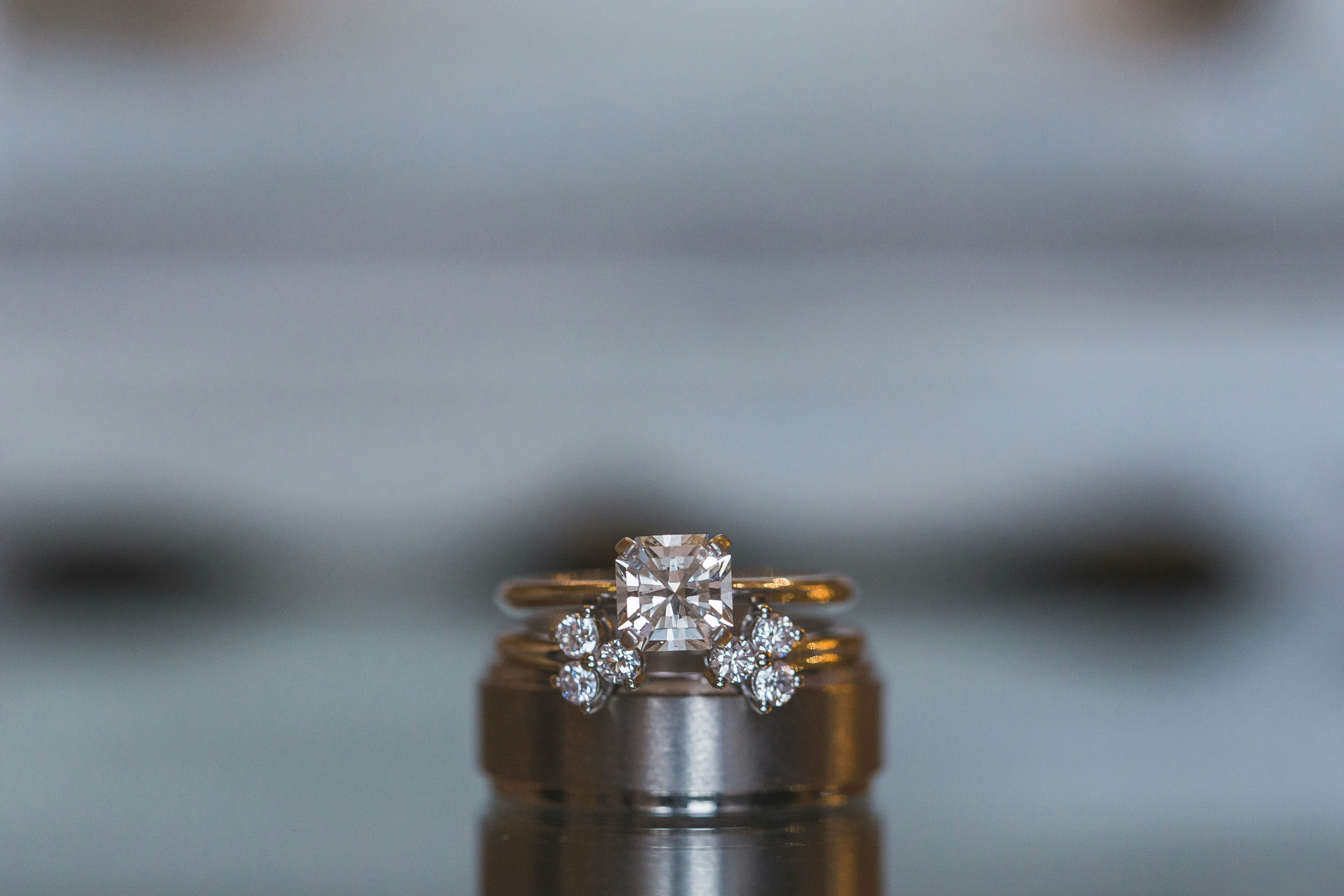
Category: Jewelry

  • Custom Engagement Rings: Everything You Need to Know Before Buying

    Custom Engagement Rings: Everything You Need to Know Before Buying

    Understanding Custom Engagement Rings

    Custom engagement rings are distinctive pieces of jewelry that are specifically designed to reflect the personal style and preferences of the individual receiving them. Unlike ready-made rings, which are mass-produced and often lack uniqueness, custom engagement rings are tailored to showcase the couple’s unique love story. This process typically involves working closely with a jeweler or designer, allowing the couple to specify details such as the choice of metal, gemstones, and overall design aesthetic.

    One of the primary reasons couples opt for a custom engagement ring is to create a piece that holds sentimental value. A ring designed with personal touches not only serves as a symbol of commitment but also as a representation of shared experiences and memories. Couples can incorporate significant elements into the design, such as stones that symbolize important dates or motifs that reflect their journey together.

    Moreover, custom engagement rings offer a level of creativity that mass-market options cannot provide. Couples can explore diverse styles, from modern and minimalist to vintage and intricate designs, ensuring that the final product aligns perfectly with their vision. The collaborative process with a jeweler further enriches the experience, allowing couples to learn about the materials and craftsmanship that go into creating the ring.

    Additionally, the process of designing a custom engagement ring can deepen the couple’s connection, as it encourages meaningful conversations about their tastes, values, and future aspirations. This journey towards selecting a one-of-a-kind ring becomes an integral part of their commitment to one another, making the engagement even more special.

    The Process of Designing a Custom Engagement Ring

    Designing a custom engagement ring is an exciting journey, one that allows you to create a unique symbol of love tailored specifically to your partner’s tastes and preferences. The process begins with selecting a reputable jeweler who specializes in custom designs. It is essential to research potential jewelers, examining their portfolios, customer reviews, and their willingness to collaborate with you throughout the design process.

    Once you have chosen a jeweler, the next step involves brainstorming design ideas. Consider your partner’s personal style, favorite colors, and any sentimental elements you might want to incorporate. Engaging your partner in this phase can lead to a more meaningful piece, though if you wish to maintain an element of surprise, researching options that align with their style can be equally effective.

    The selection of materials is a crucial part of the design process. Diamonds are the traditional choice for engagement rings, but an increasing number of couples are opting for alternative gemstones such as sapphires or emeralds. Each gemstone has its own unique qualities, and the choice often reflects personal significance. Additionally, the metal for the band—be it platinum, white gold, yellow gold, or rose gold—will also influence the ring’s overall aesthetic and durability. It is advisable to consult with your jeweler about the best options based on lifestyle and personal preferences.

    Creating sketches or digital renderings of the design is a significant step in visualizing the end product. These representations allow you to communicate your ideas clearly to the jeweler and make necessary adjustments before finalizing the design. Effective visualization ensures that everyone involved shares a unified concept of the desired engagement ring, minimizing any potential misunderstandings.

    Choosing the Right Jeweler

    Selecting a reputable jeweler for your custom engagement ring is a pivotal step in the process of creating a piece that is not only beautiful but also reflective of your love story. When seeking a jeweler, experience is paramount. Look for a professional with a well-established career in the industry, as extensive experience often translates to superior craftsmanship and knowledge of current trends.

    Another crucial aspect to consider is the jeweler’s reviews and testimonials. Online platforms and social media can provide a wealth of information regarding customer satisfaction. Reading through feedback from previous clients will give you insight into the jeweler’s reliability and the quality of their work. Additionally, ask for references when possible and follow up to ensure authenticity.

    A portfolio showcasing past custom engagement ring designs will help you assess the jeweler’s creative abilities and individual style. Evaluate their work to determine if it aligns with your own vision. Pay attention to the intricacy of designs and the quality of materials used in these pieces. This will give you a clear understanding of what to expect should you choose to collaborate with them.

    Excellent customer service is another hallmark of a reputable jeweler. When meeting with potential jewelers, observe their willingness to listen and engage with your ideas. A good jeweler should be open to discussion, guiding you through the design process while ensuring they understand your preferences and requirements clearly. Don’t hesitate to ask questions about the materials, design options, and the projected timeline, as these inquiries can reveal their level of expertise.

    By carefully selecting a jeweler who meets these criteria, you can enhance the likelihood of an enriching experience and the successful creation of your custom engagement ring.

    Setting a Budget for Your Custom Engagement Ring

    Establishing a budget for a custom engagement ring is a crucial step in the design process. To start, determine how much you can comfortably spend without compromising your financial stability. Traditionally, it has been suggested that the budget should equate to two or three months’ salary, but this guideline is increasingly viewed as dated. Instead, focus on what aligns with your current financial situation and future goals.

    When setting your budget, consider the various costs associated with custom engagement rings. This includes not only the cost of the materials and stones but also the design process and any custom features you wish to incorporate. The choice of metal—be it gold, platinum, or silver—can significantly impact the price. Each material comes with its unique costs, properties, and aesthetic appeal, which can help guide your decision based on both your preferences and financial considerations.

    Additionally, diamonds and gemstones vary in price based on quality, cut, clarity, and carat weight, which are collectively known as the “Four Cs.” Your budget should accommodate your desired gemstone specifications while keeping in mind that higher quality usually comes with a higher price tag. However, there are alternatives, such as lab-created diamonds or other gemstones, that can offer beauty at a lower cost.

    To avoid overspending, it’s advisable to prioritize features that are most important to you. Create a list of must-haves versus nice-to-haves to help balance quality and cost. Collaborate closely with your jeweler to explore options that fit within your budget, and don’t hesitate to negotiate or seek alternative design ideas. A well-planned budget will ensure that your custom engagement ring emerges as a beautiful symbol of your commitment without straining your finances.

    Choosing the Right Metal and Stone

    When it comes to custom engagement rings, one of the most critical decisions involves selecting the right metal and stone that aligns with personal preferences and lifestyle. Various metal options are available for the band, each presenting a unique aesthetic and durability level. The most popular choices include white gold, yellow gold, and platinum.

    White gold provides a modern and sleek appearance, often favored for its ability to enhance the brilliance of the diamond. Its durability makes it a practical choice for everyday wear, though it may require periodic rhodium plating to maintain its shine. Yellow gold, known for its classic and warm tone, appeals to those who appreciate traditional styles. Its rich color contrasts beautifully with diamonds and alternative gemstones, offering a vintage charm. Platinum stands out as a premium choice, known for its exceptional durability and natural whiteness. This metal is extremely resistant to tarnish and scratches, making it an ideal option for engagement rings that are worn frequently.

    Selecting the stone is equally crucial, and for diamonds, understanding the 4 Cs is essential: cut, color, clarity, and carat weight. The cut influences how light reflects off the diamond, affecting its sparkle. Color refers to the diamond’s hue, ideally as colorless as possible. Clarity denotes the presence of imperfections; the fewer inclusions, the better the clarity grade. Lastly, carat weight relates to the size of the diamond, impacting both its visual impact and price.

    For those considering alternatives, options like sapphires, emeralds, and moissanite provide beautiful variations that can reflect personal style while often being more budget-friendly than traditional diamonds. Ultimately, choosing the right metal and stone for a custom engagement ring should be a reflection of individual taste and significance, ensuring it remains a cherished symbol of love.

    Incorporating Personal and Unique Elements

    When it comes to custom engagement rings, the incorporation of personal and unique elements is instrumental in crafting a piece that conveys both love and individuality. A custom engagement ring should not only be visually stunning but also reflect the couple’s unique relationship and shared experiences. One of the most heartfelt ways to personalize a ring is through meaningful engravings. Couples can opt for initials, a significant date, or a short phrase that holds sentimental value. This subtle addition transforms an exquisite piece of jewelry into a cherished keepsake that tells a story.

    Another remarkable way to infuse personal significance into a custom engagement ring is by incorporating family heirlooms. Using stones or metals from a beloved family piece can create a bridge between generations, making the ring not just a symbol of your love but also a tribute to family heritage. Many couples find comfort in knowing their ring carries with it a piece of their family history, which adds depth to its beauty.

    Additionally, the shape and style of the ring can be intentionally designed to hold special meaning. For example, a couple may choose a design that mimics the silhouette of a beloved destination or a memory shared together, such as a favorite natural landscape. This thoughtful approach ensures the ring is not just a beautiful object, but a representation of the couple’s journey together.

    In conclusion, the unique personal touches added to a custom engagement ring not only enhance its aesthetic appeal but also make it a meaningful emblem of love. By considering engravings, family heirlooms, and significant designs, couples can create a ring that truly embodies their relationship and individuality, resulting in a piece that is timeless and personal.

    Understanding Customization Trends

    As the jewelry market continuously evolves, custom engagement rings have gained significant popularity, with various trends shaping modern designs. One prominent trend is the resurgence of vintage styles, which often draw inspiration from eras such as the Edwardian and Art Deco periods. These designs are characterized by intricate detailing, unique shapes, and the use of old-world techniques that add a timeless elegance to the rings. Incorporating vintage elements not only speaks to the beauty of past craftsmanship, but also caters to couples who appreciate the romantic history associated with such designs.

    Another trend gaining traction is the minimalist approach. The focus on simplicity allows the beauty of the gemstones and the quality of the materials to shine through without overwhelming adornment. Minimalist designs typically feature clean lines and understated elegance, making them perfect for modern couples who prefer a contemporary aesthetic. This trend emphasizes personal expression, allowing individuals to customize their rings while celebrating the tenet that sometimes, less is more.

    Additionally, nature-inspired settings are increasingly favored for custom engagement rings. Elements drawn from natural landscapes, such as floral motifs or organic shapes, enable a connection to the environment within the jewelry piece. This trend not only reflects a growing consciousness towards sustainability but also appeals to those seeking uniqueness in their designs. Couples often choose ethically sourced stones, allowing them to create custom engagement rings that are both beautiful and environmentally responsible.

    Identifying these trends can help individuals glean inspiration for their custom engagement ring designs, ensuring they resonate with personal style and values. Each trend offers a pathway for couples to express their love story through meticulously crafted jewelry that becomes a cherished symbol of their commitment.

    Caring for Your Custom Engagement Ring

    Purchasing a custom engagement ring is a significant investment, both emotionally and financially. Therefore, it is essential to take the necessary steps to maintain its beauty and integrity over time. Cleaning your ring regularly is crucial for keeping it looking pristine. A simple solution of warm water and mild soap can effectively remove dirt and oils that accumulate during daily wear. Using a soft-bristled toothbrush can help reach crevices and under the setting where debris may hide. It’s advisable to avoid harsh chemicals as they can damage both the metal and the stone.

    In addition to regular at-home cleaning, having your custom engagement ring professional inspected is vital. It is recommended to schedule a professional cleaning and inspection at least once a year. During this process, a jeweler will check for any loose stones, worn prongs, or signs of wear and tear that could compromise the ring’s integrity. Taking this precaution can help prevent potential loss or damage of the gemstone, ensuring the ring remains a cherished item for years to come.

    When wearing your ring, be mindful of activities that could cause scratches or damage. For example, removing your ring before engaging in activities such as exercising, gardening, or cleaning can significantly reduce the risk of accidental harm. Additionally, storing your ring properly when it is not being worn is essential. A soft jewelry pouch or a dedicated ring box can help prevent scratches and bumps against other jewelry pieces.

    Ultimately, taking care of your custom engagement ring involves a combination of regular cleaning, professional inspections, and mindful handling. By following these guidelines, you can ensure that your ring remains a beautiful symbol of love for many years to come.

    Final Thoughts and Recommendations

    When it comes to purchasing a custom engagement ring, there are several essential considerations to keep in mind. Throughout this blog post, we’ve explored the intricate process of selecting a design, choosing the right materials, and understanding the significance behind every choice made. Custom engagement rings are not merely items of jewelry; they are profound symbols of love and commitment, reflecting the unique relationship between partners.

    First and foremost, it is crucial to establish a clear vision of what the engagement ring should represent. Take time to reflect on personal styles, preferences, and the types of engagement rings that resonate with both partners. Engaging in discussions about symbolism and the meaning behind different designs can enhance the personalization process, ensuring that the final piece is meaningful and cherished.

    Moreover, one should consider setting a budget early in the design process. Custom rings can vary significantly in price, depending on the choice of materials, gemstones, and craftsmanship. By being transparent about financial constraints, couples can work collaboratively with jewelers to create a stunning piece that aligns with their vision without exceeding their means.

    Another critical recommendation is to choose a reputable jeweler who specializes in custom engagement rings. This aspect cannot be overstated, as the skill and experience of the jeweler will ultimately influence the quality and beauty of the final product. Professional jewelers can also provide valuable insights and guidance, ensuring that the couple’s ideas are translated into reality effectively.

    In conclusion, embarking on the journey to create a custom engagement ring is an enriching experience that encompasses both artistic expression and emotional significance. Couples are encouraged to embrace the process, as every decision made shapes a piece that is not only a ring but a testament to their love and commitment, destined to be cherished for generations.
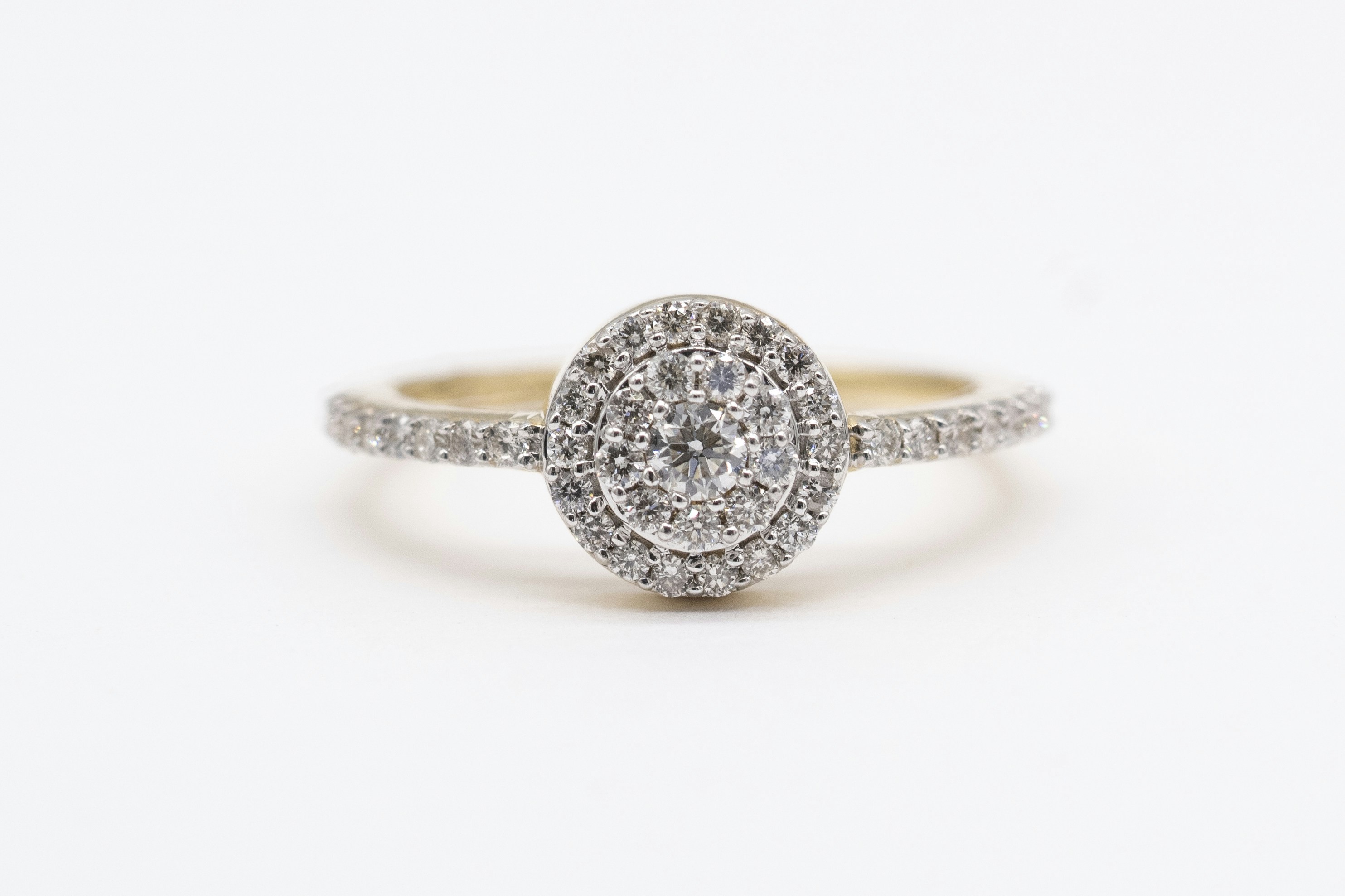
  • Diamond Engagement Rings: How to Choose the Perfect Ring for Your Partner

    Diamond Engagement Rings: How to Choose the Perfect Ring for Your Partner

    Understanding Diamond Engagement Rings

    Diamond engagement rings symbolize love, commitment, and the promise of a lifelong partnership. These exquisite pieces of jewelry have been integral to engagement traditions across various cultures for centuries. The practice of giving a diamond ring during an engagement can be traced back to the early 15th century when Archduke Maximilian of Austria presented one to Mary of Burgundy, thus igniting a trend that continues to flourish today.

    Throughout history, diamonds have held immense value, not merely for their rarity but for their stunning beauty and ability to withstand time. A diamond’s natural brilliance and luster represent the strength of the bond between partners. Cultural beliefs have also contributed to the significance of these rings; many view diamonds as a symbol of purity and eternal love due to their enduring nature.

    The popularity of diamond engagement rings intensified in the 20th century, largely due to successful marketing campaigns that positioned them as the quintessential choice for proposals. The phrase ‘A Diamond is Forever’ became a hallmark of the industry, establishing diamonds as the premier stone in romantic jewelry. This marketing success stems from the combination of rarity, beauty, and a deep emotional connection that diamonds inspire.

    Moreover, diamonds are classified by the four Cs – cut, color, clarity, and carat weight – which influence their value and desirability. This system provides guidance for partners when selecting the perfect engagement ring. Understanding these attributes is essential for making informed choices, ensuring that the chosen diamond aligns with both personal tastes and budget considerations.

    The 4 Cs of Diamonds

    When selecting the ideal diamond engagement ring, understanding the 4 Cs—Carat, Cut, Color, and Clarity—is essential. Each of these criteria significantly influences a diamond’s appearance and value, and they are critical factors to consider when making a choice that suits both your partner’s style and your budget.

    Carat refers to the weight of the diamond. Traditionally, larger diamonds are more desirable, but the carat weight can be balanced with other characteristics to achieve a desirable look. For instance, a slightly smaller diamond might be set in a highly attractive band that draws attention to its brilliance, allowing you to maximize budget without compromising appearance.

    Cut is arguably the most important of the 4 Cs, as it determines how well a diamond reflects light. The different cut grades affect the diamond’s overall appearance. A well-cut diamond will exhibit superior brilliance and sparkle, which contributes significantly to its beauty. When selecting a diamond, prioritize one with an excellent cut to ensure visual impact.

    Color refers to the detection of color in a diamond. The less color a diamond has, the more valuable it generally is. Diamonds are graded on a scale from D (colorless) to Z (light yellow), and most individuals opt for stones that fall between D and J for a balance of quality and cost. However, some couples may prefer colored diamonds, which can offer a unique appearance.

    Clarity assesses the presence of imperfections, known as inclusions and blemishes. The clarity of a diamond can affect its rarity and price, with higher clarity ratings being more valuable. However, since many inclusions are microscopic and not visible to the naked eye, it is often acceptable to select a diamond with minor inclusions for a more budget-friendly option.

    Balancing these 4 Cs will help you find a diamond engagement ring that is both stunning and aligned with your financial considerations.

    Identifying Your Partner’s Style

    Choosing a diamond engagement ring that resonates with your partner’s personal style is a crucial step in the proposal process. A well-selected ring not only symbolizes commitment but also reflects the individuality of the wearer. To begin, observe your partner’s current jewelry collection, noting the types and styles of pieces they frequently wear. This observation can provide insight into their taste, whether they lean towards classic designs, modern aesthetics, or perhaps a preference for vintage or bohemian styles.

    Consider the metals they favor as well. Does your partner often wear gold, silver, or rose gold? Each metal carries its unique charm and complements different skin tones. Understanding these preferences will guide you toward selecting the right band for the engagement ring. Additionally, pay attention to the shapes and settings of their existing jewelry. Many individuals have clear preferences when it comes to diamond shapes, such as round, princess, oval, or pear. Identifying these patterns will help you choose a diamond shape that resonates with their style.

    Furthermore, engaging in casual conversations about jewelry can be beneficial. Discussing popular trends and styles can yield valuable information about their likes and dislikes. Alternatively, you may reach out to their close friends or family members, as they might provide insights into your partner’s preferences that you’ve overlooked. Utilizing this network can help you understand their aesthetic better and confirm any assumptions you may have about their likes.

    By combining your observations with information from supportive friends and family, you will be well on your way to selecting a diamond engagement ring that not only fits the occasion but also harmonizes with your partner’s unique style.

    Choosing the Right Metal Setting

    When selecting a diamond engagement ring, the choice of metal setting plays a crucial role in both aesthetics and longevity. The most common metals used for engagement rings include white gold, yellow gold, rose gold, and platinum. Each of these materials has its unique attributes, and understanding these can help you choose the perfect match for your diamond.

    White gold is a popular choice due to its modern appeal and lustrous silvery finish. It is an alloy of yellow gold mixed with metals like palladium or nickel, and it is often plated with rhodium for added shine and protection. Although durable, the rhodium layer may require reapplication over time to maintain its brightness. White gold settings are particularly effective in showcasing a diamond’s sparkle since they enhance the gem’s clarity and brilliance.

    Yellow gold is perhaps the most traditional option, revered for its warmth and classic look. This metal brings out the natural beauty of diamonds and can lend a vintage charm to the engagement ring. Yellow gold is durable and relatively easy to maintain, making it an excellent choice for those who prefer a timeless style.

    On the other hand, rose gold has gained popularity for its distinctive blush hue, achieved by alloying gold with copper. This setting is not only unique but also adds a romantic touch to the ring. Rose gold is also quite durable, though it may show signs of wear more visibly than other metals. Finally, platinum, known for its exceptional strength and hypoallergenic properties, offers a luxurious choice that won’t tarnish or wear down over time. Its weight and durability make it an excellent choice for those seeking a long-lasting engagement ring.

    When deciding on a metal, it is essential to consider your partner’s style, lifestyle, and preferences. Think about how the chosen metal complements the diamond and what might suit their personality best. By carefully considering all options, you can select a metal setting that enhances the beauty of the diamond and creates a lasting piece of jewelry.

    Measuring Your Partner’s Ring Size

    Choosing the right size for a diamond engagement ring is crucial to ensuring that the ring fits comfortably and securely on your partner’s finger. Discreetly determining their ring size can be a challenge, but there are several effective methods you can employ without raising suspicion.

    One common technique is to utilize a ring size chart. These charts are widely available online and illustrate various sizes in relation to the circumference or diameter of a ring. If possible, subtly gather information about your partner’s ring size using this method, perhaps during a casual conversation about accessories or jewelry preferences.

    Another reliable option is to borrow one of your partner’s existing rings that they frequently wear on the same finger. You can get the size measured by taking it to a jeweler, who can easily determine the size without any fuss. Just ensure to return the ring before your partner notices it missing.

    If borrowing a ring feels too risky, consider enlisting the help of your partner’s close friends or family members. They may already have insight into your partner’s ring size, or they could assist you in discreetly measuring it without your partner’s awareness. This collaborative approach can provide you with a more accurate size while keeping the surprise intact.

    Ultimately, knowing your partner’s ring size ahead of your proposal will alleviate any anxiety about fit and ensure that the moment of giving the ring is as magical as you envisage. Having the right size will enhance the emotional experience associated with this significant milestone in your relationship.

    Custom vs. Pre-made Rings

    When it comes to selecting the ideal engagement ring, individuals often face the dilemma of choosing between custom-designed and pre-made options. Each choice presents unique advantages and disadvantages, making it essential for couples to evaluate their priorities before making a purchase.

    One of the primary benefits of custom-designed engagement rings is the personal touch they provide. Couples can work closely with jewelers to reflect their individual style and preferences, selecting every detail from the design to the type of diamond used. This level of involvement often results in a one-of-a-kind piece that holds significant sentimental value. Custom rings also allow the incorporation of elements such as family heirlooms which can enhance their emotional appeal, making them more than just a piece of jewelry.

    However, it is important to note that custom options can carry a higher price tag and require more time to design and create. Couples may need to factor in not only the cost of the materials and craftsmanship involved but also any design consultations. Additionally, the timeframe can be longer as each step requires careful consideration and execution, thus making it crucial for those on a tight schedule to keep this in mind.

    On the other hand, pre-made rings offer convenience and a variety of choices with immediate availability. Many retailers stock a range of styles, making it easier for couples to try on various settings and diamonds on the spot. This can lead to a quicker purchasing decision, which is particularly appealing for those who may be working with a short engagement timeline.

    Nevertheless, pre-made rings may lack the personal touch that custom pieces offer. Although some designs can still be modified, they often do not provide the same level of originality. Couples should weigh these factors when deciding which option aligns best with their vision of the perfect engagement ring.

    Setting a Budget for the Perfect Ring

    When it comes to purchasing a diamond engagement ring, setting a realistic budget is an essential step in ensuring a smooth and enjoyable shopping experience. Many people believe in the outdated rule of spending two or three months’ salary on an engagement ring. However, this guideline often leads to unnecessary financial strain and does not take into account individual circumstances or preferences. It is important to focus instead on what you can comfortably afford while still selecting a beautiful ring.

    To begin, take the time to assess your financial situation, including monthly expenses, savings, and potential debt. Establishing a specific budget will allow you to narrow down your options effectively. Most experts recommend allocating between 1% to 3% of your annual income for the ring. This approach provides flexibility while ensuring you remain within your financial means. Remember, the goal is to choose a stunning engagement ring without compromising your overall financial health.

    In addition to setting a budget, exploring various financing options is vital. Many jewelers offer payment plans or financing programs, allowing you to pay for the ring over time rather than upfront. Additionally, consider the benefits of purchasing from reputable online retailers or auctions, which can also provide more competitive prices compared to traditional jewelry stores.

    To stay within budget while selecting the perfect ring, prioritize the features that matter most to you and your partner. Focus on factors such as the diamond’s cut, clarity, color, and carat weight, which can significantly influence the price. By understanding each of these elements and their impact on cost, you can make informed decisions without exceeding your budget.

    Shopping for the Ring: Where to Buy

    When selecting a diamond engagement ring, one of the crucial decisions is determining where to purchase it. Several options are available, each with its own advantages and disadvantages. The most common places to buy diamond engagement rings include local jewelers, online retailers, and big-box stores.

    Local jewelers often provide a personalized shopping experience. They can offer extensive knowledge about their products, helping customers navigate through various styles, diamond cuts, and settings. Moreover, local stores may provide custom design services that allow customers to create a unique piece tailored to their partner’s preferences. On the downside, local jewelers may have limited selection and variable price points, with some being higher due to the personalized service.

    On the other hand, online retailers present an expansive selection of diamond engagement rings. Customers can easily compare prices, styles, and quality from the comfort of their homes, leveraging various platforms that specialize in fine jewelry. However, purchasing online can be a gamble; buyers may not inspect the ring in person prior to purchase. To mitigate risks, it is essential to verify the credibility of online jewelers by checking for reviews, certifications, and return policies.

    Big-box stores typically offer more affordable options due to their economies of scale and can provide customers with a no-frills shopping experience. However, their selections may lack the uniqueness or craftsmanship found in specialty jewelers. Quality can also vary widely, making it crucial for shoppers to seek certification for the diamonds they are considering.

    Ultimately, the choice of where to buy a diamond engagement ring should align with personal preferences, budget, and the importance of customization. Thorough research and consideration will ensure a satisfying shopping experience, culminating in the perfect ring choice for your partner.

    Caring for the Diamond Engagement Ring

    Proper care and maintenance of a diamond engagement ring are essential to preserve its beauty and brilliance over time. With regular cleaning, careful storage, and periodic professional inspections, you can ensure that your ring remains as stunning as the day you received it.

    To keep your diamond engagement ring sparkling, it is crucial to clean it regularly. A simple solution of warm soapy water can be effective. Use a mild dish soap and soak your ring for about 20 to 30 minutes. Afterward, gently scrub the diamond and the band with a soft-bristled toothbrush, paying attention to the areas underneath the stone where dirt and oils can accumulate. Rinse thoroughly with clean water and dry with a lint-free cloth to avoid scratches.

    When it comes to storing your diamond engagement ring, it is advisable to place it in a soft pouch or a dedicated jewelry box, separate from other pieces. This precaution helps prevent scratches and damage from tangling with other items. Additionally, consider keeping your ring in a cool, dry place, away from direct sunlight, which can weaken the metal over time.

    Moreover, regular professional inspections and cleaning are highly recommended. Experts can assess the settings for any loose stones and clean the ring using ultrasonic or steam cleaning methods that are safe for your jewelry. Scheduling these inspections at least once a year ensures that any potential issues are addressed promptly, maintaining the integrity of the diamond and its setting.

    By following these simple care tips, you can uphold the dazzling appearance of your diamond engagement ring, cherishing its beauty for a lifetime. A well-maintained ring not only serves as a symbol of love but also as a stunning accessory that can be passed down through generations.

  • Custom Engagement Rings: Everything You Need to Know Before Buying

    Best Engagement Rings in the USA: Complete Buying Guide for 2026

    Introduction to Engagement Rings

    Engagement rings hold significant cultural and emotional weight in American society. They are not merely pieces of jewelry but symbols of love, commitment, and the promise of a shared future. Historically, the tradition of giving an engagement ring can be traced back to ancient Rome, where the groom presented a ring to signify his intent to marry. This practice evolved through the centuries, gaining prominence in the 20th century, particularly after the marketing efforts of diamond companies, which established the diamond engagement ring as the conventional choice for brides-to-be.

    In modern America, the engagement ring symbolizes not just the promise of marriage but also an expression of personal style and values. The choice of ring often reflects the couple’s individual personalities and their relationship’s unique story. Rings come in various styles, metals, and gemstones, allowing for a diverse range of options that cater to every individual’s taste. The iconic diamond solitaire, for example, remains an enduring favorite, while alternative stones and settings are increasingly popular among couples seeking something distinct.

    The process of selecting an engagement ring is of paramount importance, as it signifies a crucial milestone in a couple’s journey together. It is a tangible representation of love, and its selection often involves thoughtful consideration of budget, style, and craftsmanship. Couples are encouraged to engage in discussions about preferences and expectations, ensuring that the eventual ring chosen embodies both partners’ sentiments.

    As we explore the various elements involved in selecting the best engagement rings in the USA, we will delve into the significance, style, and choices available. Understanding the weight and history of these rings will not only illuminate their importance in American engagements but also guide individuals in making informed decisions when choosing the perfect symbol of their commitment.

    Understanding the 4 Cs: Cut, Clarity, Carat, and Color

    The quality of a diamond is fundamentally assessed through what are known as the “4 Cs”: cut, clarity, carat, and color. Each of these attributes plays a significant role in determining the beauty and value of an engagement ring. Understanding these four characteristics is essential for a knowledgeable purchase.

    Cut refers to how well a diamond has been shaped and faceted. It is one of the most critical factors affecting a diamond’s brilliance and overall appearance. A well-cut diamond reflects light beautifully and exhibits more sparkle than a poorly cut stone. The cut grades range from Excellent to Poor, indicating the proportion, symmetry, and polish of the diamond. Buyers seeking engagement rings should prioritize cut, as it can greatly influence how stunning the ring appears when worn.

    Clarity measures the presence of internal or external imperfections, known as inclusions and blemishes. Diamond clarity ranges from Flawless (no inclusions visible under 10x magnification) to Included (inclusions visible to the naked eye). Typically, a diamond with higher clarity will be more valuable; however, minor inclusions can be nearly undetectable. For engagement rings, balancing clarity with the other Cs can provide a striking stone without the highest price tag.

    Carat is a unit of weight used to describe the size of the diamond. One carat equals 200 milligrams. Larger diamonds are often more pricey due to their rarity. However, it is crucial for buyers to remember that carat weight does not determine a diamond’s quality independently; the cut, color, and clarity must also be taken into consideration.

    Lastly, color refers to the presence of color in a diamond, with completely colorless stones graded as D and the color deepening as the alphabet moves toward Z. A diamond with less color is traditionally more sought after and can affect the ring’s overall aesthetic. Therefore, understanding how these four Cs interplay will ultimately guide potential buyers in selecting the perfect engagement ring.

    Popular Engagement Ring Styles in 2026

    In 2026, engagement rings continue to evolve, featuring several trending styles that reflect personal tastes, cultural influences, and innovative designs. Among these, classic solitaires remain a perennial favorite. This timeless style, characterized by a single center stone elegantly showcased without any distractions, appeals to those who appreciate simplicity and sophistication. The solitaires offer versatility, as they can be crafted from various metals and adorned with different gemstones, yet their minimalist elegance is their standout trait.

    Another prominent style is the halo engagement ring, which features a central gemstone encircled by smaller diamonds or gemstones. This design not only enhances the brilliance and size of the center stone but also adds a touch of glamour. The demand for halo rings in 2026 can be attributed to their striking appearance and the illusion of a larger diamond, making them an excellent option for those who desire a bit more sparkle in their ring.

    Vintage-inspired designs are also gaining significant traction among engaged couples. These rings, often characterized by intricate detailing, filigree work, and unique stone settings, provide a sense of nostalgia and individuality. The charm of vintage designs often resonates with those keen on history and personal storytelling, making them ideal choices for romantic souls.

    The influence of celebrity engagements and social media trends cannot be overlooked in shaping preferences for engagement ring styles. High-profile celebrities frequently showcase their unique rings, inspiring couples everywhere. Social media platforms further amplify these trends, allowing individuals to explore a vast array of designs from around the world. Additionally, custom-made rings, tailored to reflect personal stories and styles, are increasingly popular, as couples seek to create meaningful symbols of their commitment.

    Choosing the Right Metal for Your Engagement Ring

    When selecting the perfect engagement ring, one of the most important decisions to make is the choice of metal. Different metals not only affect the aesthetics of the ring but also influence its durability and maintenance. The most popular options include platinum, white gold, yellow gold, and rose gold. Each metal has its unique properties, advantages, and disadvantages, all of which should be considered to ensure the selected ring meets individual preferences and requirements.

    Platinum is a premium metal known for its exceptional durability and resistance to tarnish, making it an ideal choice for engagement rings. Its naturally white sheen allows it to complement a variety of diamond colors beautifully. However, platinum is generally more expensive than other options and may require occasional polishing to maintain its high shine.

    White gold is another popular option that offers a chic appearance similar to platinum but at a relatively lower cost. It is an alloy usually mixed with metals such as palladium or nickel to achieve its white hue. While white gold provides a strong and attractive setting, it is coated in rhodium, which may wear off over time and necessitate re-coating for maintenance.

    Yellow gold evokes a classic warmth that has been a favorite for centuries. Available in different karat levels, yellow gold’s natural hue complements various diamond colors, especially warmer shades. However, yellow gold is softer than platinum and white gold, which may affect its longevity when worn daily.

    Lastly, rose gold has surged in popularity due to its romantic and vintage appeal. The pinkish hue results from the addition of copper, giving it a unique character. While rose gold is durable and less likely to tarnish, it may not highlight certain diamond colors as effectively as white metals. Each metal choice ultimately contributes to the ring’s overall beauty and significance, making it essential to weigh the pros and cons carefully.

    Setting a Budget for Your Engagement Ring

    Establishing a clear budget serves as the foundation for purchasing an engagement ring. The engagement ring is not only a symbol of love and commitment, but it also represents a significant financial investment. Traditionally, it has been suggested that couples spend approximately two to three months’ salary on an engagement ring; however, this guideline can vary greatly based on individual circumstances and preferences.

    When determining how much to spend on an engagement ring, it is essential to factor in your personal financial situation. Start by assessing your disposable income, monthly expenses, and any debts you may have. This evaluation will help in establishing a realistic price range that balances quality with financial capability. Remember, spending an exorbitant amount may not always correlate with the ring’s emotional value or quality.

    Engagement ring prices can vary significantly depending on several factors including the type of metal, style, and gemstone involved. For example, a simple gold band with a modest diamond might typically cost between $1,000 and $3,000, while a more intricate design featuring multiple stones could range anywhere from $3,000 to $10,000. Moreover, more elaborate settings, such as vintage or halo designs, often carry a higher price tag. Understanding these variations will aid in setting a budget that allows for flexibility without exceeding your financial limits.

    Once you have established a budget, prioritize quality over price. Instead of focusing solely on the cost, seek a balance that enhances value while allowing you to explore a wide array of designs and materials. Opting for lab-created diamonds, for example, can provide an ethical alternative that often comes at a lower cost. Ultimately, the key is to find an engagement ring that resonates with both your budget constraints and the relationship it symbolizes.

    Ethical Considerations: Lab-Grown vs. Natural Diamonds

    The choice between lab-grown and natural diamonds has become a pivotal consideration for consumers who value ethical standards in their purchasing decisions. Firstly, lab-grown diamonds are created in controlled environments, significantly reducing the environmental impact associated with traditional diamond mining. Mining for natural diamonds often results in the disruption of ecosystems and can lead to soil erosion and biodiversity loss. In contrast, lab-grown diamonds require fewer resources and energy, making them a more sustainable choice.

    Furthermore, the price difference between lab-grown and natural diamonds is another crucial factor to consider. Lab-grown diamonds typically cost 20-40% less than their natural counterparts, offering consumers a more financially accessible option without sacrificing quality. This affordability allows couples to invest in larger stones or additional features while still supporting ethical practices in their purchase.

    Another significant aspect of the ethical debate revolves around social responsibility. Natural diamonds have long been associated with “blood diamonds,” which are mined in war zones and sold to finance conflict. This dark history raises serious ethical questions for consumers. Lab-grown diamonds, on the other hand, provide a clear provenance, ensuring that buyers are not inadvertently supporting exploitative labor practices or violence. As awareness grows, many consumers are becoming increasingly inclined to choose diamonds that align with their personal values and ethics.

    In conclusion, when considering your engagement ring, it is essential to weigh the ethical implications of lab-grown versus natural diamonds. Each option offers different advantages regarding environmental impact, cost, and social responsibilities, empowering buyers to make informed choices that reflect their values and commitments.

    How to Shop for Engagement Rings: Online vs. In-Store

    When it comes to purchasing engagement rings, buyers now face a choice between online platforms and traditional brick-and-mortar stores. Each option presents distinct advantages and disadvantages, which can significantly impact the buying experience.

    Shopping online offers convenience and a vast selection of engagement rings. Websites provide users with detailed descriptions, high-quality imagery, and often competitive prices due to reduced overhead costs. Additionally, online retailers frequently offer customer reviews and ratings, giving insight into the quality and authenticity of the rings. However, purchasing online may come with concerns regarding the inability to physically examine the jewelry before purchase. It is crucial for buyers to ensure they are shopping from reputable sources that offer certification for the diamonds and gemstones used in their rings.

    In contrast, visiting a physical store allows potential buyers to inspect the craftsmanship of engagement rings firsthand. They can assess the shine, clarity, and setting of the gemstones, gaining a more tactile understanding of the piece. Additionally, in-store shopping often provides immediate assistance from knowledgeable staff, who can answer questions and guide customers through the selection process. However, traditional retail outlets might have a more limited inventory, and pricing may be higher due to overhead costs.

    It’s important to consider return policies regardless of the shopping method. Online stores typically provide clear guidelines for returns, often requiring original packaging and documentation, while in-store purchases may vary widely in their return offerings. Customers should inquire about customer service availability as well; a robust support system can enhance the shopping experience.

    Ultimately, whether one chooses to purchase engagement rings online or in-store, the focus should remain on authenticity and the certification of gemstones. Taking these factors into account will help ensure that buyers make informed and confident decisions during the engagement ring shopping process.

    Caring for Your Engagement Ring

    Purchasing an engagement ring is a significant milestone, and ensuring its longevity is just as important as the initial selection process. To maintain the brilliance of your engagement ring, first and foremost, regular cleaning is crucial. Over time, dirt, oils, and other residues can dull the stone and metal. Using a mix of warm water and mild soap, you can create an effective cleaning solution. Soak your ring for about 20-30 minutes, then gently clean it with a soft-bristled toothbrush, focusing on hard-to-reach areas around the stone. Rinse thoroughly under warm water and dry with a soft, lint-free cloth to restore its shine.

    In addition to regular cleaning, periodic maintenance checks are advisable. Have your engagement ring inspected by a professional jeweler at least once a year. They can assess the setting for any loose stones and check that the metal is not showing signs of wear. This proactive approach can prevent potential losses and preserve the integrity of the ring.

    Safe storage is another essential aspect of caring for your engagement ring. When not worn, store the ring in a soft pouch or a dedicated ring box to avoid scratches from other jewelry. If travel is on the horizon, consider using a travel jewelry case that provides individual compartments to prevent tangling or damaging your ring.

    Lastly, be mindful of activities that could jeopardize your ring. For instance, remove the ring during household chores, workouts, or swimming, as exposure to chemicals or physical stress can damage the stone and metal. By implementing these cleaning tips, maintenance practices, and safe storage solutions, you can ensure that your engagement ring remains in pristine condition for years to come.

    Conclusion: Making the Right Choice for Your Future

    Choosing an engagement ring is a significant decision that symbolizes love and commitment. As highlighted throughout this guide, several critical factors should be taken into account when making this precious purchase. First and foremost, understanding your partner’s style and preferences is essential. Each individual has a unique taste, and the engagement ring should reflect that personal aesthetic, whether it leans towards classic designs or modern interpretations.

    Budgeting also plays a crucial role in the selection process. It is advisable to determine a spending limit that aligns with your financial situation while still allowing for the purchase of a ring that is both beautiful and meaningful. Remember, the best engagement rings are those that embody the sentiment of your relationship rather than solely their monetary value.

    Furthermore, educating oneself about the various specifications of an engagement ring will enable a more informed decision. Knowledge of the Four Cs—cut, color, clarity, and carat weight—can greatly influence the overall quality and appearance of the diamond. Additionally, considering alternative gemstones may appeal to those looking for something unique and suitable for their partner.

    Finally, allow ample time for deliberation. An impulsive decision may lead to regrets; hence it is best to explore different options, seek advice, and engage in thorough discussions with jewelers. With thoughtful consideration and comprehensive knowledge, you can find an engagement ring that beautifully symbolizes your commitment and secures a lasting impression as you embark on this significant journey together. Taking these steps ensures that your choice is not only aesthetically pleasing but also deeply personal, reflecting the love you share.