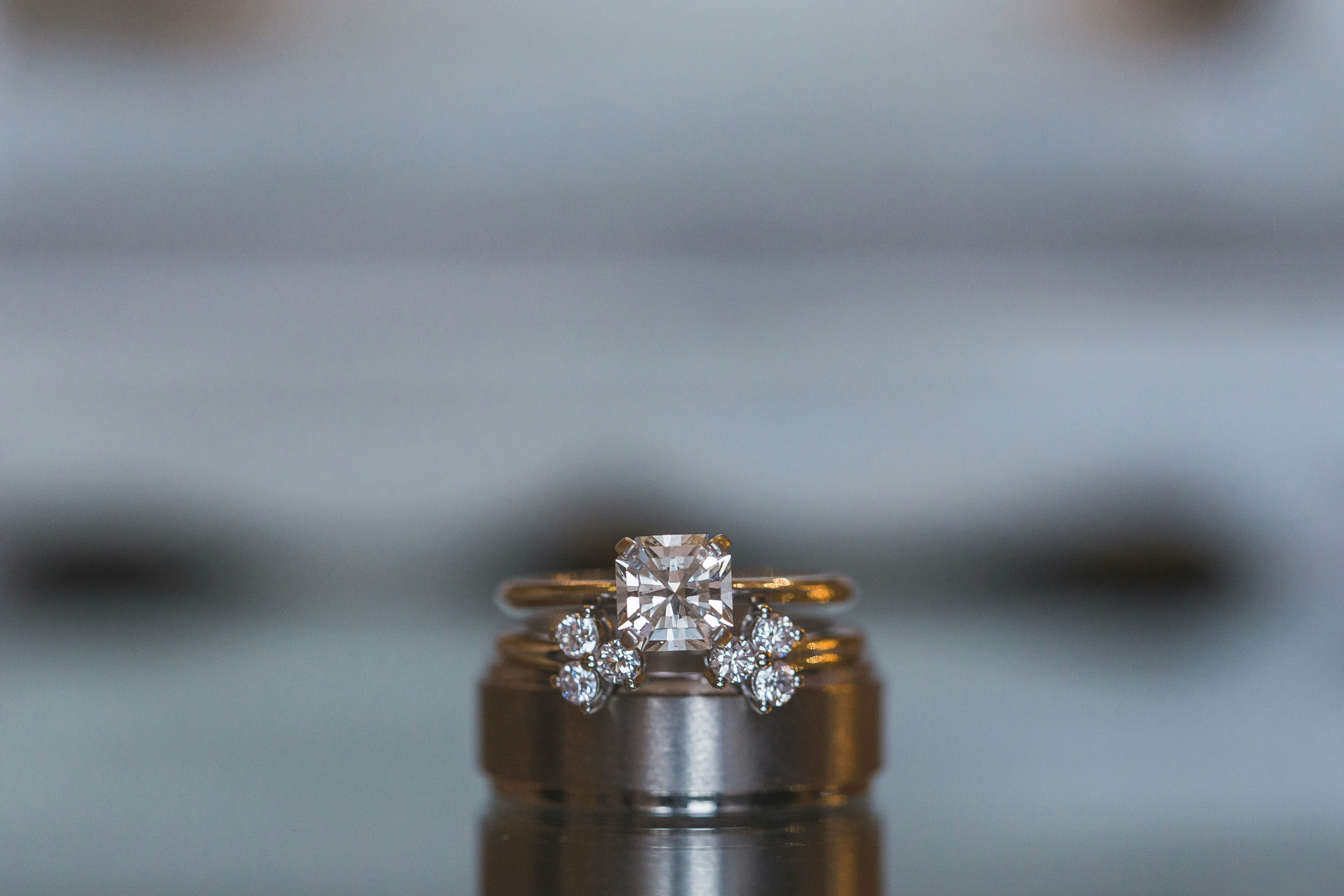
Introduction to Engagement Rings
Engagement rings hold significant cultural and emotional weight in American society. They are not merely pieces of jewelry but symbols of love, commitment, and the promise of a shared future. Historically, the tradition of giving an engagement ring can be traced back to ancient Rome, where the groom presented a ring to signify his intent to marry. This practice evolved through the centuries, gaining prominence in the 20th century, particularly after the marketing efforts of diamond companies, which established the diamond engagement ring as the conventional choice for brides-to-be.
In modern America, the engagement ring symbolizes not just the promise of marriage but also an expression of personal style and values. The choice of ring often reflects the couple’s individual personalities and their relationship’s unique story. Rings come in various styles, metals, and gemstones, allowing for a diverse range of options that cater to every individual’s taste. The iconic diamond solitaire, for example, remains an enduring favorite, while alternative stones and settings are increasingly popular among couples seeking something distinct.
The process of selecting an engagement ring is of paramount importance, as it signifies a crucial milestone in a couple’s journey together. It is a tangible representation of love, and its selection often involves thoughtful consideration of budget, style, and craftsmanship. Couples are encouraged to engage in discussions about preferences and expectations, ensuring that the eventual ring chosen embodies both partners’ sentiments.
As we explore the various elements involved in selecting the best engagement rings in the USA, we will delve into the significance, style, and choices available. Understanding the weight and history of these rings will not only illuminate their importance in American engagements but also guide individuals in making informed decisions when choosing the perfect symbol of their commitment.
Understanding the 4 Cs: Cut, Clarity, Carat, and Color
The quality of a diamond is fundamentally assessed through what are known as the “4 Cs”: cut, clarity, carat, and color. Each of these attributes plays a significant role in determining the beauty and value of an engagement ring. Understanding these four characteristics is essential for a knowledgeable purchase.
Cut refers to how well a diamond has been shaped and faceted. It is one of the most critical factors affecting a diamond’s brilliance and overall appearance. A well-cut diamond reflects light beautifully and exhibits more sparkle than a poorly cut stone. The cut grades range from Excellent to Poor, indicating the proportion, symmetry, and polish of the diamond. Buyers seeking engagement rings should prioritize cut, as it can greatly influence how stunning the ring appears when worn.
Clarity measures the presence of internal or external imperfections, known as inclusions and blemishes. Diamond clarity ranges from Flawless (no inclusions visible under 10x magnification) to Included (inclusions visible to the naked eye). Typically, a diamond with higher clarity will be more valuable; however, minor inclusions can be nearly undetectable. For engagement rings, balancing clarity with the other Cs can provide a striking stone without the highest price tag.
Carat is a unit of weight used to describe the size of the diamond. One carat equals 200 milligrams. Larger diamonds are often more pricey due to their rarity. However, it is crucial for buyers to remember that carat weight does not determine a diamond’s quality independently; the cut, color, and clarity must also be taken into consideration.
Lastly, color refers to the presence of color in a diamond, with completely colorless stones graded as D and the color deepening as the alphabet moves toward Z. A diamond with less color is traditionally more sought after and can affect the ring’s overall aesthetic. Therefore, understanding how these four Cs interplay will ultimately guide potential buyers in selecting the perfect engagement ring.
Popular Engagement Ring Styles in 2026
In 2026, engagement rings continue to evolve, featuring several trending styles that reflect personal tastes, cultural influences, and innovative designs. Among these, classic solitaires remain a perennial favorite. This timeless style, characterized by a single center stone elegantly showcased without any distractions, appeals to those who appreciate simplicity and sophistication. The solitaires offer versatility, as they can be crafted from various metals and adorned with different gemstones, yet their minimalist elegance is their standout trait.
Another prominent style is the halo engagement ring, which features a central gemstone encircled by smaller diamonds or gemstones. This design not only enhances the brilliance and size of the center stone but also adds a touch of glamour. The demand for halo rings in 2026 can be attributed to their striking appearance and the illusion of a larger diamond, making them an excellent option for those who desire a bit more sparkle in their ring.
Vintage-inspired designs are also gaining significant traction among engaged couples. These rings, often characterized by intricate detailing, filigree work, and unique stone settings, provide a sense of nostalgia and individuality. The charm of vintage designs often resonates with those keen on history and personal storytelling, making them ideal choices for romantic souls.
The influence of celebrity engagements and social media trends cannot be overlooked in shaping preferences for engagement ring styles. High-profile celebrities frequently showcase their unique rings, inspiring couples everywhere. Social media platforms further amplify these trends, allowing individuals to explore a vast array of designs from around the world. Additionally, custom-made rings, tailored to reflect personal stories and styles, are increasingly popular, as couples seek to create meaningful symbols of their commitment.
Choosing the Right Metal for Your Engagement Ring
When selecting the perfect engagement ring, one of the most important decisions to make is the choice of metal. Different metals not only affect the aesthetics of the ring but also influence its durability and maintenance. The most popular options include platinum, white gold, yellow gold, and rose gold. Each metal has its unique properties, advantages, and disadvantages, all of which should be considered to ensure the selected ring meets individual preferences and requirements.
Platinum is a premium metal known for its exceptional durability and resistance to tarnish, making it an ideal choice for engagement rings. Its naturally white sheen allows it to complement a variety of diamond colors beautifully. However, platinum is generally more expensive than other options and may require occasional polishing to maintain its high shine.
White gold is another popular option that offers a chic appearance similar to platinum but at a relatively lower cost. It is an alloy usually mixed with metals such as palladium or nickel to achieve its white hue. While white gold provides a strong and attractive setting, it is coated in rhodium, which may wear off over time and necessitate re-coating for maintenance.
Yellow gold evokes a classic warmth that has been a favorite for centuries. Available in different karat levels, yellow gold’s natural hue complements various diamond colors, especially warmer shades. However, yellow gold is softer than platinum and white gold, which may affect its longevity when worn daily.
Lastly, rose gold has surged in popularity due to its romantic and vintage appeal. The pinkish hue results from the addition of copper, giving it a unique character. While rose gold is durable and less likely to tarnish, it may not highlight certain diamond colors as effectively as white metals. Each metal choice ultimately contributes to the ring’s overall beauty and significance, making it essential to weigh the pros and cons carefully.
Setting a Budget for Your Engagement Ring
Establishing a clear budget serves as the foundation for purchasing an engagement ring. The engagement ring is not only a symbol of love and commitment, but it also represents a significant financial investment. Traditionally, it has been suggested that couples spend approximately two to three months’ salary on an engagement ring; however, this guideline can vary greatly based on individual circumstances and preferences.
When determining how much to spend on an engagement ring, it is essential to factor in your personal financial situation. Start by assessing your disposable income, monthly expenses, and any debts you may have. This evaluation will help in establishing a realistic price range that balances quality with financial capability. Remember, spending an exorbitant amount may not always correlate with the ring’s emotional value or quality.
Engagement ring prices can vary significantly depending on several factors including the type of metal, style, and gemstone involved. For example, a simple gold band with a modest diamond might typically cost between $1,000 and $3,000, while a more intricate design featuring multiple stones could range anywhere from $3,000 to $10,000. Moreover, more elaborate settings, such as vintage or halo designs, often carry a higher price tag. Understanding these variations will aid in setting a budget that allows for flexibility without exceeding your financial limits.
Once you have established a budget, prioritize quality over price. Instead of focusing solely on the cost, seek a balance that enhances value while allowing you to explore a wide array of designs and materials. Opting for lab-created diamonds, for example, can provide an ethical alternative that often comes at a lower cost. Ultimately, the key is to find an engagement ring that resonates with both your budget constraints and the relationship it symbolizes.
Ethical Considerations: Lab-Grown vs. Natural Diamonds
The choice between lab-grown and natural diamonds has become a pivotal consideration for consumers who value ethical standards in their purchasing decisions. Firstly, lab-grown diamonds are created in controlled environments, significantly reducing the environmental impact associated with traditional diamond mining. Mining for natural diamonds often results in the disruption of ecosystems and can lead to soil erosion and biodiversity loss. In contrast, lab-grown diamonds require fewer resources and energy, making them a more sustainable choice.
Furthermore, the price difference between lab-grown and natural diamonds is another crucial factor to consider. Lab-grown diamonds typically cost 20-40% less than their natural counterparts, offering consumers a more financially accessible option without sacrificing quality. This affordability allows couples to invest in larger stones or additional features while still supporting ethical practices in their purchase.
Another significant aspect of the ethical debate revolves around social responsibility. Natural diamonds have long been associated with “blood diamonds,” which are mined in war zones and sold to finance conflict. This dark history raises serious ethical questions for consumers. Lab-grown diamonds, on the other hand, provide a clear provenance, ensuring that buyers are not inadvertently supporting exploitative labor practices or violence. As awareness grows, many consumers are becoming increasingly inclined to choose diamonds that align with their personal values and ethics.
In conclusion, when considering your engagement ring, it is essential to weigh the ethical implications of lab-grown versus natural diamonds. Each option offers different advantages regarding environmental impact, cost, and social responsibilities, empowering buyers to make informed choices that reflect their values and commitments.
How to Shop for Engagement Rings: Online vs. In-Store
When it comes to purchasing engagement rings, buyers now face a choice between online platforms and traditional brick-and-mortar stores. Each option presents distinct advantages and disadvantages, which can significantly impact the buying experience.
Shopping online offers convenience and a vast selection of engagement rings. Websites provide users with detailed descriptions, high-quality imagery, and often competitive prices due to reduced overhead costs. Additionally, online retailers frequently offer customer reviews and ratings, giving insight into the quality and authenticity of the rings. However, purchasing online may come with concerns regarding the inability to physically examine the jewelry before purchase. It is crucial for buyers to ensure they are shopping from reputable sources that offer certification for the diamonds and gemstones used in their rings.
In contrast, visiting a physical store allows potential buyers to inspect the craftsmanship of engagement rings firsthand. They can assess the shine, clarity, and setting of the gemstones, gaining a more tactile understanding of the piece. Additionally, in-store shopping often provides immediate assistance from knowledgeable staff, who can answer questions and guide customers through the selection process. However, traditional retail outlets might have a more limited inventory, and pricing may be higher due to overhead costs.
It’s important to consider return policies regardless of the shopping method. Online stores typically provide clear guidelines for returns, often requiring original packaging and documentation, while in-store purchases may vary widely in their return offerings. Customers should inquire about customer service availability as well; a robust support system can enhance the shopping experience.
Ultimately, whether one chooses to purchase engagement rings online or in-store, the focus should remain on authenticity and the certification of gemstones. Taking these factors into account will help ensure that buyers make informed and confident decisions during the engagement ring shopping process.
Caring for Your Engagement Ring
Purchasing an engagement ring is a significant milestone, and ensuring its longevity is just as important as the initial selection process. To maintain the brilliance of your engagement ring, first and foremost, regular cleaning is crucial. Over time, dirt, oils, and other residues can dull the stone and metal. Using a mix of warm water and mild soap, you can create an effective cleaning solution. Soak your ring for about 20-30 minutes, then gently clean it with a soft-bristled toothbrush, focusing on hard-to-reach areas around the stone. Rinse thoroughly under warm water and dry with a soft, lint-free cloth to restore its shine.
In addition to regular cleaning, periodic maintenance checks are advisable. Have your engagement ring inspected by a professional jeweler at least once a year. They can assess the setting for any loose stones and check that the metal is not showing signs of wear. This proactive approach can prevent potential losses and preserve the integrity of the ring.
Safe storage is another essential aspect of caring for your engagement ring. When not worn, store the ring in a soft pouch or a dedicated ring box to avoid scratches from other jewelry. If travel is on the horizon, consider using a travel jewelry case that provides individual compartments to prevent tangling or damaging your ring.
Lastly, be mindful of activities that could jeopardize your ring. For instance, remove the ring during household chores, workouts, or swimming, as exposure to chemicals or physical stress can damage the stone and metal. By implementing these cleaning tips, maintenance practices, and safe storage solutions, you can ensure that your engagement ring remains in pristine condition for years to come.
Conclusion: Making the Right Choice for Your Future
Choosing an engagement ring is a significant decision that symbolizes love and commitment. As highlighted throughout this guide, several critical factors should be taken into account when making this precious purchase. First and foremost, understanding your partner’s style and preferences is essential. Each individual has a unique taste, and the engagement ring should reflect that personal aesthetic, whether it leans towards classic designs or modern interpretations.
Budgeting also plays a crucial role in the selection process. It is advisable to determine a spending limit that aligns with your financial situation while still allowing for the purchase of a ring that is both beautiful and meaningful. Remember, the best engagement rings are those that embody the sentiment of your relationship rather than solely their monetary value.
Furthermore, educating oneself about the various specifications of an engagement ring will enable a more informed decision. Knowledge of the Four Cs—cut, color, clarity, and carat weight—can greatly influence the overall quality and appearance of the diamond. Additionally, considering alternative gemstones may appeal to those looking for something unique and suitable for their partner.
Finally, allow ample time for deliberation. An impulsive decision may lead to regrets; hence it is best to explore different options, seek advice, and engage in thorough discussions with jewelers. With thoughtful consideration and comprehensive knowledge, you can find an engagement ring that beautifully symbolizes your commitment and secures a lasting impression as you embark on this significant journey together. Taking these steps ensures that your choice is not only aesthetically pleasing but also deeply personal, reflecting the love you share.
Leave a Reply