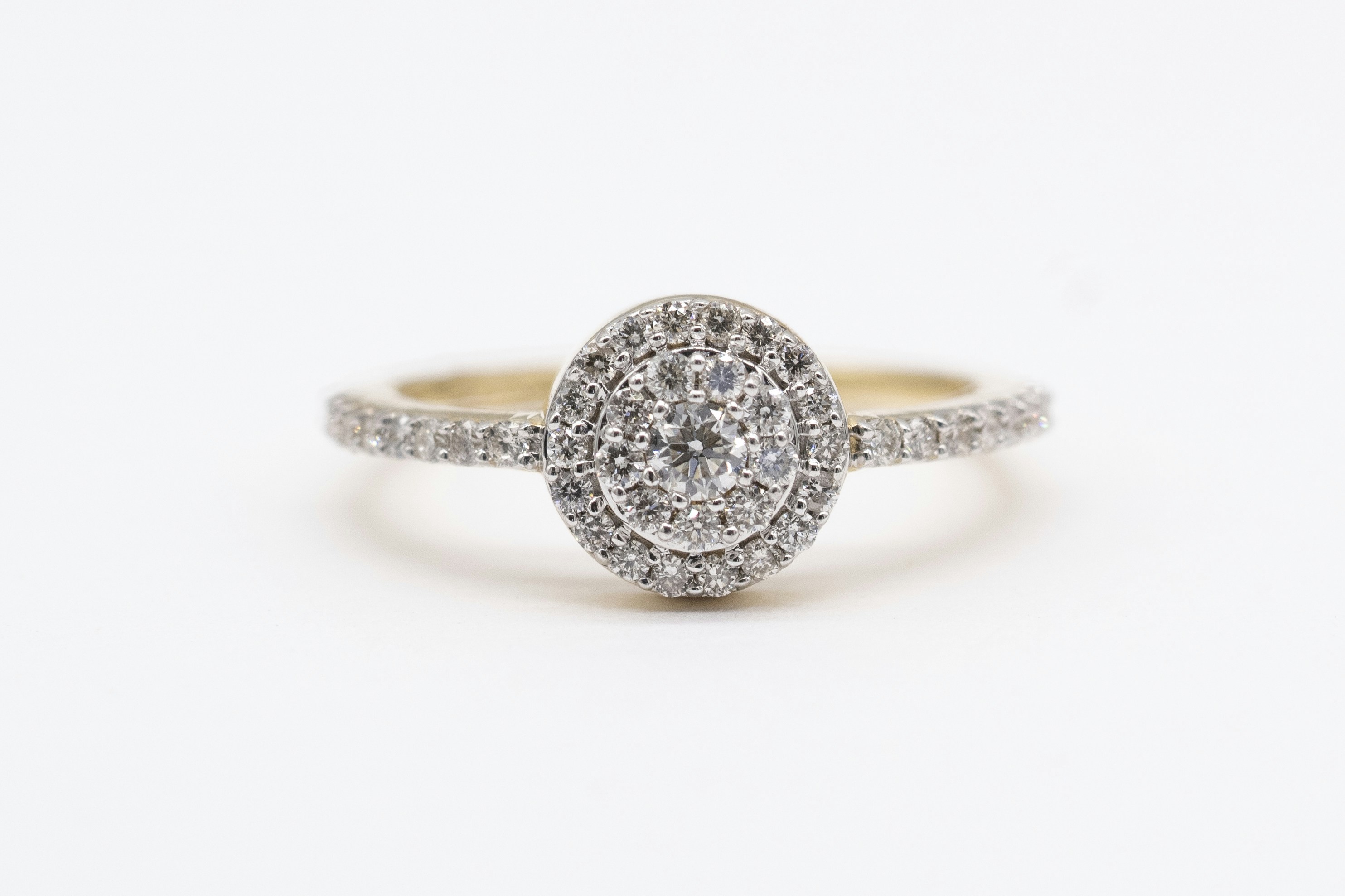
Understanding Diamond Engagement Rings
Diamond engagement rings symbolize love, commitment, and the promise of a lifelong partnership. These exquisite pieces of jewelry have been integral to engagement traditions across various cultures for centuries. The practice of giving a diamond ring during an engagement can be traced back to the early 15th century when Archduke Maximilian of Austria presented one to Mary of Burgundy, thus igniting a trend that continues to flourish today.
Throughout history, diamonds have held immense value, not merely for their rarity but for their stunning beauty and ability to withstand time. A diamond’s natural brilliance and luster represent the strength of the bond between partners. Cultural beliefs have also contributed to the significance of these rings; many view diamonds as a symbol of purity and eternal love due to their enduring nature.
The popularity of diamond engagement rings intensified in the 20th century, largely due to successful marketing campaigns that positioned them as the quintessential choice for proposals. The phrase ‘A Diamond is Forever’ became a hallmark of the industry, establishing diamonds as the premier stone in romantic jewelry. This marketing success stems from the combination of rarity, beauty, and a deep emotional connection that diamonds inspire.
Moreover, diamonds are classified by the four Cs – cut, color, clarity, and carat weight – which influence their value and desirability. This system provides guidance for partners when selecting the perfect engagement ring. Understanding these attributes is essential for making informed choices, ensuring that the chosen diamond aligns with both personal tastes and budget considerations.
The 4 Cs of Diamonds
When selecting the ideal diamond engagement ring, understanding the 4 Cs—Carat, Cut, Color, and Clarity—is essential. Each of these criteria significantly influences a diamond’s appearance and value, and they are critical factors to consider when making a choice that suits both your partner’s style and your budget.
Carat refers to the weight of the diamond. Traditionally, larger diamonds are more desirable, but the carat weight can be balanced with other characteristics to achieve a desirable look. For instance, a slightly smaller diamond might be set in a highly attractive band that draws attention to its brilliance, allowing you to maximize budget without compromising appearance.
Cut is arguably the most important of the 4 Cs, as it determines how well a diamond reflects light. The different cut grades affect the diamond’s overall appearance. A well-cut diamond will exhibit superior brilliance and sparkle, which contributes significantly to its beauty. When selecting a diamond, prioritize one with an excellent cut to ensure visual impact.
Color refers to the detection of color in a diamond. The less color a diamond has, the more valuable it generally is. Diamonds are graded on a scale from D (colorless) to Z (light yellow), and most individuals opt for stones that fall between D and J for a balance of quality and cost. However, some couples may prefer colored diamonds, which can offer a unique appearance.
Clarity assesses the presence of imperfections, known as inclusions and blemishes. The clarity of a diamond can affect its rarity and price, with higher clarity ratings being more valuable. However, since many inclusions are microscopic and not visible to the naked eye, it is often acceptable to select a diamond with minor inclusions for a more budget-friendly option.
Balancing these 4 Cs will help you find a diamond engagement ring that is both stunning and aligned with your financial considerations.
Identifying Your Partner’s Style
Choosing a diamond engagement ring that resonates with your partner’s personal style is a crucial step in the proposal process. A well-selected ring not only symbolizes commitment but also reflects the individuality of the wearer. To begin, observe your partner’s current jewelry collection, noting the types and styles of pieces they frequently wear. This observation can provide insight into their taste, whether they lean towards classic designs, modern aesthetics, or perhaps a preference for vintage or bohemian styles.
Consider the metals they favor as well. Does your partner often wear gold, silver, or rose gold? Each metal carries its unique charm and complements different skin tones. Understanding these preferences will guide you toward selecting the right band for the engagement ring. Additionally, pay attention to the shapes and settings of their existing jewelry. Many individuals have clear preferences when it comes to diamond shapes, such as round, princess, oval, or pear. Identifying these patterns will help you choose a diamond shape that resonates with their style.
Furthermore, engaging in casual conversations about jewelry can be beneficial. Discussing popular trends and styles can yield valuable information about their likes and dislikes. Alternatively, you may reach out to their close friends or family members, as they might provide insights into your partner’s preferences that you’ve overlooked. Utilizing this network can help you understand their aesthetic better and confirm any assumptions you may have about their likes.
By combining your observations with information from supportive friends and family, you will be well on your way to selecting a diamond engagement ring that not only fits the occasion but also harmonizes with your partner’s unique style.
Choosing the Right Metal Setting
When selecting a diamond engagement ring, the choice of metal setting plays a crucial role in both aesthetics and longevity. The most common metals used for engagement rings include white gold, yellow gold, rose gold, and platinum. Each of these materials has its unique attributes, and understanding these can help you choose the perfect match for your diamond.
White gold is a popular choice due to its modern appeal and lustrous silvery finish. It is an alloy of yellow gold mixed with metals like palladium or nickel, and it is often plated with rhodium for added shine and protection. Although durable, the rhodium layer may require reapplication over time to maintain its brightness. White gold settings are particularly effective in showcasing a diamond’s sparkle since they enhance the gem’s clarity and brilliance.
Yellow gold is perhaps the most traditional option, revered for its warmth and classic look. This metal brings out the natural beauty of diamonds and can lend a vintage charm to the engagement ring. Yellow gold is durable and relatively easy to maintain, making it an excellent choice for those who prefer a timeless style.
On the other hand, rose gold has gained popularity for its distinctive blush hue, achieved by alloying gold with copper. This setting is not only unique but also adds a romantic touch to the ring. Rose gold is also quite durable, though it may show signs of wear more visibly than other metals. Finally, platinum, known for its exceptional strength and hypoallergenic properties, offers a luxurious choice that won’t tarnish or wear down over time. Its weight and durability make it an excellent choice for those seeking a long-lasting engagement ring.
When deciding on a metal, it is essential to consider your partner’s style, lifestyle, and preferences. Think about how the chosen metal complements the diamond and what might suit their personality best. By carefully considering all options, you can select a metal setting that enhances the beauty of the diamond and creates a lasting piece of jewelry.
Measuring Your Partner’s Ring Size
Choosing the right size for a diamond engagement ring is crucial to ensuring that the ring fits comfortably and securely on your partner’s finger. Discreetly determining their ring size can be a challenge, but there are several effective methods you can employ without raising suspicion.
One common technique is to utilize a ring size chart. These charts are widely available online and illustrate various sizes in relation to the circumference or diameter of a ring. If possible, subtly gather information about your partner’s ring size using this method, perhaps during a casual conversation about accessories or jewelry preferences.
Another reliable option is to borrow one of your partner’s existing rings that they frequently wear on the same finger. You can get the size measured by taking it to a jeweler, who can easily determine the size without any fuss. Just ensure to return the ring before your partner notices it missing.
If borrowing a ring feels too risky, consider enlisting the help of your partner’s close friends or family members. They may already have insight into your partner’s ring size, or they could assist you in discreetly measuring it without your partner’s awareness. This collaborative approach can provide you with a more accurate size while keeping the surprise intact.
Ultimately, knowing your partner’s ring size ahead of your proposal will alleviate any anxiety about fit and ensure that the moment of giving the ring is as magical as you envisage. Having the right size will enhance the emotional experience associated with this significant milestone in your relationship.
Custom vs. Pre-made Rings
When it comes to selecting the ideal engagement ring, individuals often face the dilemma of choosing between custom-designed and pre-made options. Each choice presents unique advantages and disadvantages, making it essential for couples to evaluate their priorities before making a purchase.
One of the primary benefits of custom-designed engagement rings is the personal touch they provide. Couples can work closely with jewelers to reflect their individual style and preferences, selecting every detail from the design to the type of diamond used. This level of involvement often results in a one-of-a-kind piece that holds significant sentimental value. Custom rings also allow the incorporation of elements such as family heirlooms which can enhance their emotional appeal, making them more than just a piece of jewelry.
However, it is important to note that custom options can carry a higher price tag and require more time to design and create. Couples may need to factor in not only the cost of the materials and craftsmanship involved but also any design consultations. Additionally, the timeframe can be longer as each step requires careful consideration and execution, thus making it crucial for those on a tight schedule to keep this in mind.
On the other hand, pre-made rings offer convenience and a variety of choices with immediate availability. Many retailers stock a range of styles, making it easier for couples to try on various settings and diamonds on the spot. This can lead to a quicker purchasing decision, which is particularly appealing for those who may be working with a short engagement timeline.
Nevertheless, pre-made rings may lack the personal touch that custom pieces offer. Although some designs can still be modified, they often do not provide the same level of originality. Couples should weigh these factors when deciding which option aligns best with their vision of the perfect engagement ring.
Setting a Budget for the Perfect Ring
When it comes to purchasing a diamond engagement ring, setting a realistic budget is an essential step in ensuring a smooth and enjoyable shopping experience. Many people believe in the outdated rule of spending two or three months’ salary on an engagement ring. However, this guideline often leads to unnecessary financial strain and does not take into account individual circumstances or preferences. It is important to focus instead on what you can comfortably afford while still selecting a beautiful ring.
To begin, take the time to assess your financial situation, including monthly expenses, savings, and potential debt. Establishing a specific budget will allow you to narrow down your options effectively. Most experts recommend allocating between 1% to 3% of your annual income for the ring. This approach provides flexibility while ensuring you remain within your financial means. Remember, the goal is to choose a stunning engagement ring without compromising your overall financial health.
In addition to setting a budget, exploring various financing options is vital. Many jewelers offer payment plans or financing programs, allowing you to pay for the ring over time rather than upfront. Additionally, consider the benefits of purchasing from reputable online retailers or auctions, which can also provide more competitive prices compared to traditional jewelry stores.
To stay within budget while selecting the perfect ring, prioritize the features that matter most to you and your partner. Focus on factors such as the diamond’s cut, clarity, color, and carat weight, which can significantly influence the price. By understanding each of these elements and their impact on cost, you can make informed decisions without exceeding your budget.
Shopping for the Ring: Where to Buy
When selecting a diamond engagement ring, one of the crucial decisions is determining where to purchase it. Several options are available, each with its own advantages and disadvantages. The most common places to buy diamond engagement rings include local jewelers, online retailers, and big-box stores.
Local jewelers often provide a personalized shopping experience. They can offer extensive knowledge about their products, helping customers navigate through various styles, diamond cuts, and settings. Moreover, local stores may provide custom design services that allow customers to create a unique piece tailored to their partner’s preferences. On the downside, local jewelers may have limited selection and variable price points, with some being higher due to the personalized service.
On the other hand, online retailers present an expansive selection of diamond engagement rings. Customers can easily compare prices, styles, and quality from the comfort of their homes, leveraging various platforms that specialize in fine jewelry. However, purchasing online can be a gamble; buyers may not inspect the ring in person prior to purchase. To mitigate risks, it is essential to verify the credibility of online jewelers by checking for reviews, certifications, and return policies.
Big-box stores typically offer more affordable options due to their economies of scale and can provide customers with a no-frills shopping experience. However, their selections may lack the uniqueness or craftsmanship found in specialty jewelers. Quality can also vary widely, making it crucial for shoppers to seek certification for the diamonds they are considering.
Ultimately, the choice of where to buy a diamond engagement ring should align with personal preferences, budget, and the importance of customization. Thorough research and consideration will ensure a satisfying shopping experience, culminating in the perfect ring choice for your partner.
Caring for the Diamond Engagement Ring
Proper care and maintenance of a diamond engagement ring are essential to preserve its beauty and brilliance over time. With regular cleaning, careful storage, and periodic professional inspections, you can ensure that your ring remains as stunning as the day you received it.
To keep your diamond engagement ring sparkling, it is crucial to clean it regularly. A simple solution of warm soapy water can be effective. Use a mild dish soap and soak your ring for about 20 to 30 minutes. Afterward, gently scrub the diamond and the band with a soft-bristled toothbrush, paying attention to the areas underneath the stone where dirt and oils can accumulate. Rinse thoroughly with clean water and dry with a lint-free cloth to avoid scratches.
When it comes to storing your diamond engagement ring, it is advisable to place it in a soft pouch or a dedicated jewelry box, separate from other pieces. This precaution helps prevent scratches and damage from tangling with other items. Additionally, consider keeping your ring in a cool, dry place, away from direct sunlight, which can weaken the metal over time.
Moreover, regular professional inspections and cleaning are highly recommended. Experts can assess the settings for any loose stones and clean the ring using ultrasonic or steam cleaning methods that are safe for your jewelry. Scheduling these inspections at least once a year ensures that any potential issues are addressed promptly, maintaining the integrity of the diamond and its setting.
By following these simple care tips, you can uphold the dazzling appearance of your diamond engagement ring, cherishing its beauty for a lifetime. A well-maintained ring not only serves as a symbol of love but also as a stunning accessory that can be passed down through generations.
Leave a Reply